Pakistan Fires Back at India's Army Chief: 'We Are a Responsible Nuclear Power'
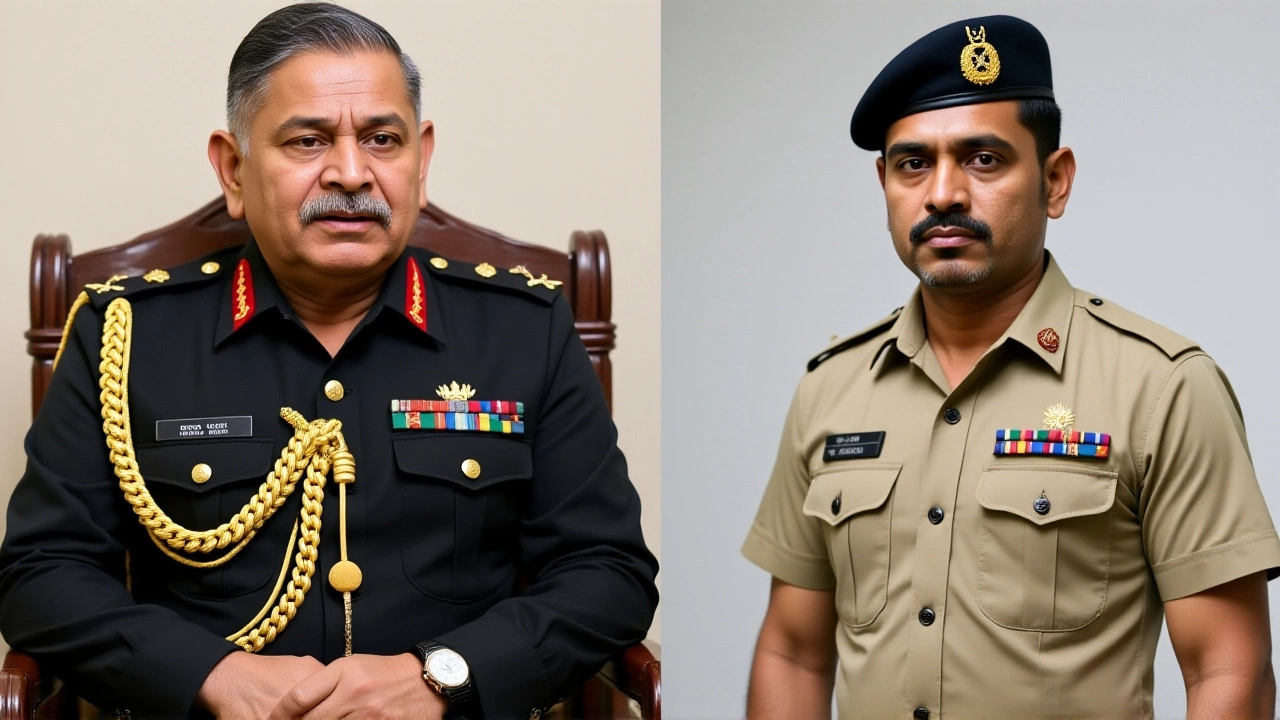
The diplomatic temperature between New Delhi and Islamabad spiked sharply this week after General Upendra Dwivedi, Chief of the Army Staff of the Indian Army, issued a stark ultimatum to his northern neighbor. Speaking at a media interaction in New Delhi on Saturday, General Dwivedi told Pakistan it must decide whether it wants to remain part of "geography" or fade into "history." The comment wasn't just rhetorical flair; it was a direct reference to recent military actions and a warning that continued support for terrorism would have existential consequences.
Here’s the thing: this isn’t your standard diplomatic sparring. The backdrop is bloody and recent. Just days before Dwivedi’s comments, India launched Operation SindoorPakistan and PoK, a high-intensity surgical strike targeting terror launchpads. Now, Pakistan has responded not with silence, but with its own heavy artillery—nuclear rhetoric.
The Ultimatum: Geography or History?
During the 'Senaa Sanvaad' (Army Dialogue) program, journalists pressed General Dwivedi on how India would respond if Pakistan facilitated another terrorist attack. His answer was blunt. He stated that Pakistan needs to choose its path: stay relevant on the map as a functional state (geography) or become a cautionary tale (history).
It’s a chilling metaphor. In geopolitical terms, implying a nation could cease to exist as a sovereign entity is about as strong a threat as one can make without declaring war. The general made it clear that India will no longer tolerate cross-border terrorism with patience. If the flow of militants continues, the response won't just be tactical—it will be transformative.
This statement echoes the sentiment behind Operation SindoorPunjab, Pakistan. According to reports from Navbharat Times, the operation targeted nine terror camps in Bahawalpur and Pakistan-occupied Kashmir. The strikes were executed in under 25 minutes using indigenous high-tech missiles. The name 'Sindoor' itself carries cultural weight, symbolizing respect for the women killed in the April 22 attack.
Context: The Pahalgam Tragedy
To understand the anger driving these statements, you have to look back to April 22, 2025. At around 2:50 PM, terrorists disguised in military uniforms opened fire on tourists in the Baisaran Valley near Pahalgam in Jammu and Kashmir. It was an open-air massacre.
Twenty-six people died. Most were domestic tourists from other Indian states, but two foreign nationals were also among the victims. The brutality of the attack—shooting unarmed civilians in broad daylight—shocked the nation. It wasn't just a security breach; it was an assault on India’s tourism economy and social fabric. Operation Sindoor was the direct military answer to that day’s horror.
Pakistan’s Nuclear Warning
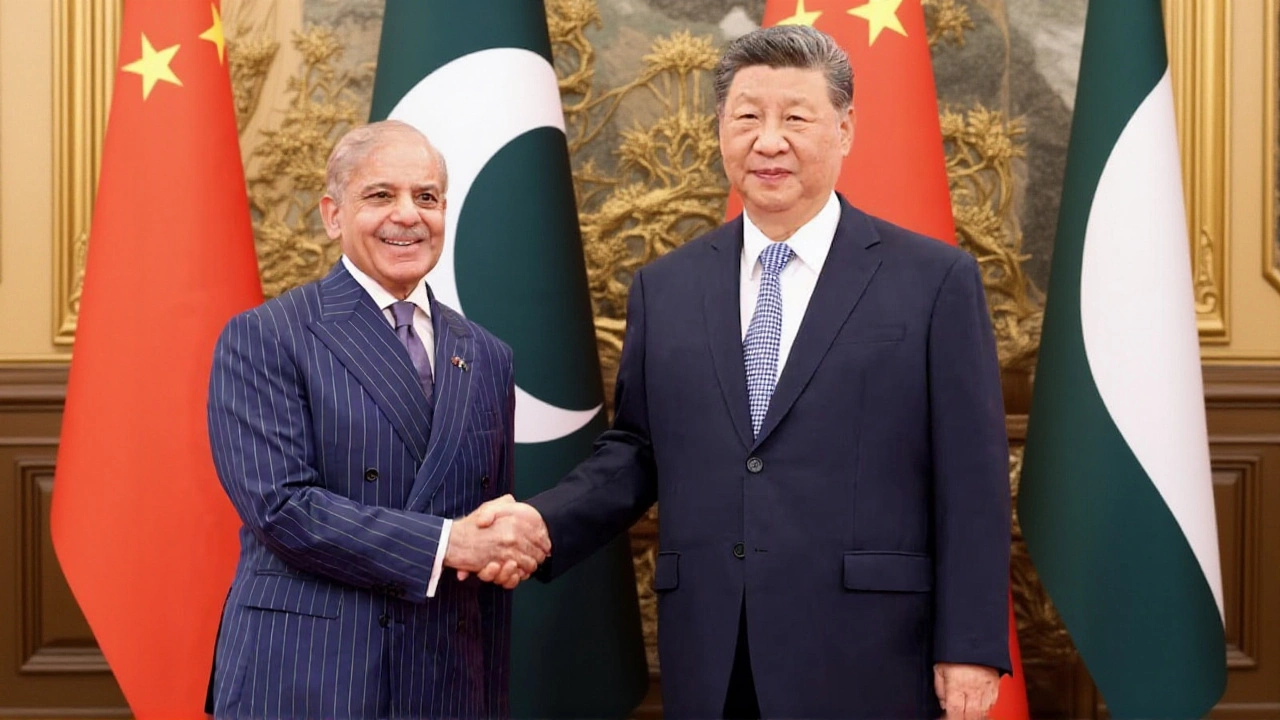
But wait, here comes the twist. Instead of backing down, Pakistan escalated the verbal warfare. Official statements from Islamabad, reported by outlets like BBC Hindi, Amar Ujala, and Zee News, took a firm stance. They described General Dwivedi’s comments as "irresponsible" and a threat to regional stability.
The core of Pakistan’s rebuttal? A reminder of their nuclear capability. Repeatedly, Pakistani officials referred to themselves as a "responsible nuclear power." The message was clear: do not underestimate our capacity to defend our sovereignty. They warned India against "reckless rhetoric" and cautioned that any misinterpretation of Pakistan’s defensive posture could lead to unintended escalation.
Under the leadership of Prime Minister Bilawal Bhutto Zardari, the government emphasized that while they seek peace, they possess the full military and nuclear means to respond to any aggression. It’s a classic deterrence strategy—using the shadow of mutual destruction to keep the status quo.
What This Means for Regional Stability
So, where does this leave us? We’re in a delicate dance. India is signaling that the cost of hosting terrorists is too high for Pakistan to bear. Pakistan is signaling that crossing certain red lines will trigger a nuclear response. Neither side wants all-out war, but both are posturing to gain leverage.
Experts note that this exchange highlights a shift in India’s doctrine. The era of passive containment seems over. With operations like Sindoor, New Delhi is showing it can project power deep across the border with precision. For Pakistan, relying on nuclear umbrellas is the only way to offset India’s conventional superiority.
The details of future diplomatic engagements are still unclear, but the tension is palpable. Watch for increased troop movements along the Line of Control and heightened cyber activity in the coming weeks. The world is watching to see if this rhetoric cools or heats up further.
Frequently Asked Questions
What exactly did General Dwivedi mean by "geography or history"?
General Dwivedi used this phrase to warn Pakistan that continuing to support terrorism could lead to its dissolution or irrelevance. "Geography" implies remaining a functioning, recognized state on the map, while "history" suggests becoming a past entity due to self-destructive policies. It is a veiled threat of severe consequences, potentially including regime change or territorial loss, if terror links persist.
What was Operation Sindoor and why was it named so?
Operation Sindoor was a surgical strike conducted by the Indian Armed Forces on the night of May 6-7, 2025, targeting nine terror launchpads in Pakistan and PoK. It was a retaliation for the April 22, 2025, Pahalgam attack. The name 'Sindoor' honors the female victims of the massacre, as sindoor is a traditional symbol of married women in Indian culture, signifying respect and remembrance for those lost.
How did Pakistan officially respond to the Indian Army Chief's comments?
Pakistan condemned the remarks as irresponsible and dangerous to regional peace. Official statements emphasized that Pakistan is a "responsible nuclear power" and warned India against reckless rhetoric. They asserted their right to defend national sovereignty and implied that any miscalculation by India would be met with a robust response, leveraging their nuclear deterrent to maintain strategic balance.
What happened in the Pahalgam attack that triggered these events?
On April 22, 2025, terrorists disguised in military uniforms attacked tourists in the Baisaran Valley near Pahalgam, Jammu and Kashmir. The shooting occurred in broad daylight around 2:50 PM. Twenty-six people, including two foreigners, were killed. The attack shocked India due to its brazen nature and the targeting of innocent civilians, leading directly to the decision to launch Operation Sindoor.
Does this increase the risk of war between India and Pakistan?
While tensions are high, both nations rely on nuclear deterrence to prevent full-scale war. However, the risk of limited conflicts, such as surgical strikes or proxy engagements, remains elevated. The current rhetoric indicates a breakdown in trust, meaning minor incidents could escalate quickly. Diplomatic channels are likely strained, making de-escalation difficult in the short term.